




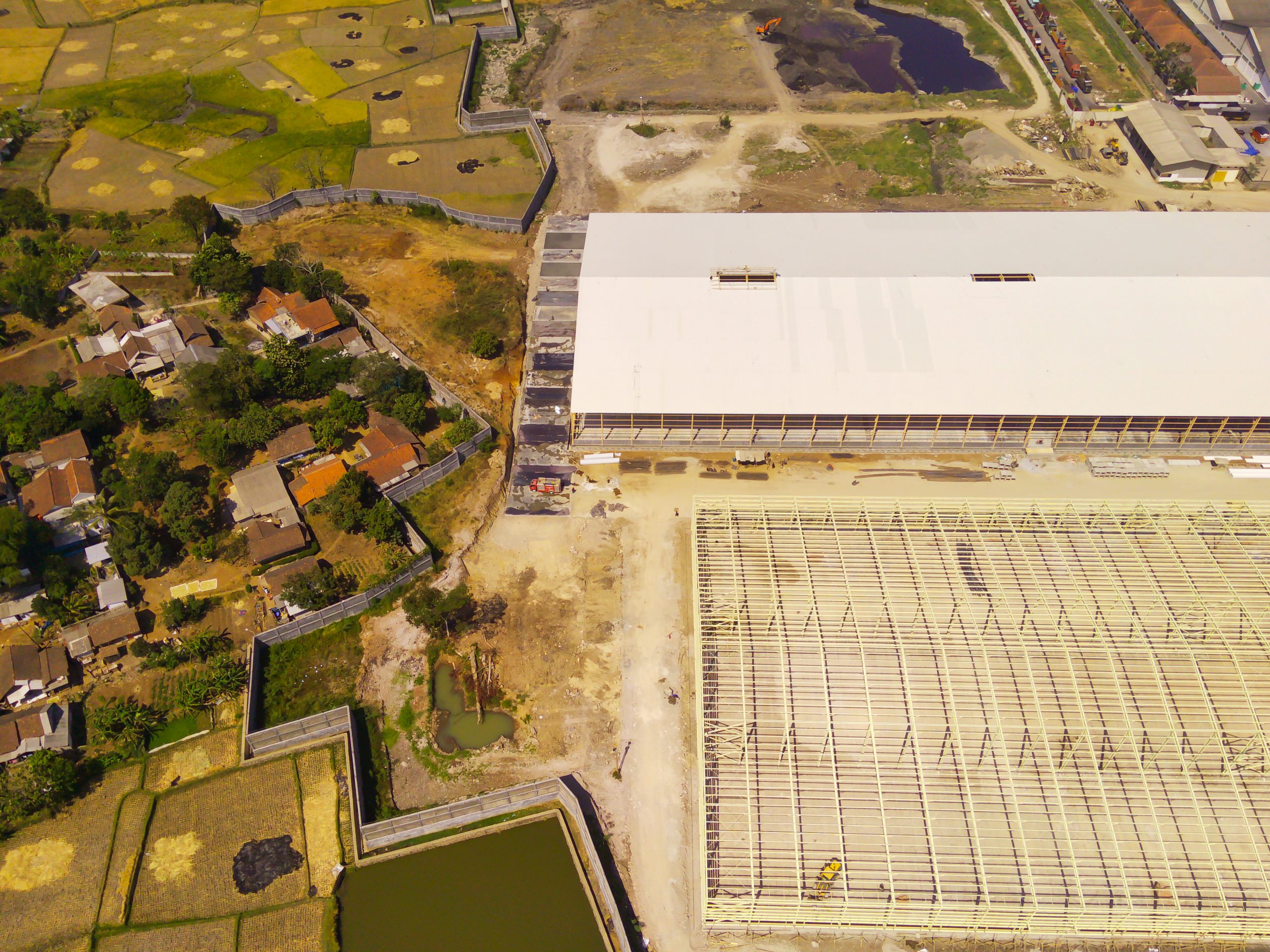
For many business owners, the roof is one of the most overlooked components of a commercial property.
As long as there are no visible leaks or operational disruptions, it’s easy to assume everything is functioning as expected. But in today’s commercial insurance market, a roof is no longer viewed as just another building component. It’s one of the first indicators insurers use to evaluate property risk.
In 2026, roof age, condition, maintenance history, and resilience against severe weather have become key underwriting considerations. Carriers are responding to years of record-breaking catastrophe losses, rising construction costs, and increasingly frequent severe weather events by placing greater scrutiny on commercial roofing systems during both new business and renewal reviews.
For business owners, understanding why roofs have become such a significant underwriting factor can help reduce renewal surprises, improve insurability, and better protect long-term assets.
The Insurance Market Is Responding to Higher Property Losses
Commercial property insurers continue to face unprecedented claim costs driven by severe weather and rising rebuilding expenses.
According to the Swiss Re Institute, global insured losses from natural catastrophes exceeded $135 billion in 2024, marking the fifth consecutive year that insured catastrophe losses surpassed the $100 billion threshold. The report notes that severe thunderstorms, hurricanes, flooding, and other secondary perils continue to place significant pressure on the global property insurance market.
The United States has experienced a similar trend.
The National Oceanic and Atmospheric Administration (NOAA) reported 27 separate billion-dollar weather and climate disasters in 2024, resulting in approximately $182.7 billion in total damages. Severe storms, hail, flooding, hurricanes, and tornadoes accounted for a significant share of these losses.
As catastrophe losses continue to rise, insurers are reassessing which properties they insure and how they price that risk.
Why Roof Condition Has Become a Major Underwriting Factor
Among all commercial building components, the roof is often the first line of defense against weather-related damage.
A deteriorating roof increases the likelihood of claims involving:
- Water intrusion
- Wind damage
- Hail damage
- Interior property damage
- Mold and moisture issues
- Business interruption
Because roofing failures frequently lead to secondary losses throughout the building, insurers increasingly evaluate roof condition as an indicator of future claim potential.
Swiss Re has also identified aging roofs as one factor contributing to rising insured losses from severe convective storms, particularly hail events, alongside increasing property values and more frequent severe weather.
What Underwriters Look For
Commercial insurers now conduct more detailed property evaluations than in previous years.
Depending on the carrier, underwriting reviews may include:
- Roof age
- Roofing material
- Inspection reports
- Maintenance history
- Repair documentation
- Evidence of prior water damage
- Roof drainage systems
- Wind and hail resistance
- Satellite or aerial imagery
- Drone inspections
Many insurers now supplement on-site inspections with high-resolution aerial imagery and third-party property analytics to identify signs of deterioration before issuing or renewing coverage.
Even buildings with no prior claims may receive additional underwriting scrutiny if roof condition cannot be verified.
Roof Age Alone Doesn’t Tell the Whole Story
While age remains an important underwriting factor, insurers increasingly focus on overall condition rather than age alone.
A well-maintained roof with documented inspections and timely repairs may present a lower underwriting risk than a newer roof that has received little preventative maintenance.
Businesses should understand the expected lifespan of their roofing system and plan accordingly.
Common commercial roofing systems, including TPO, EPDM, metal, modified bitumen, and built-up roofs, have different maintenance requirements and replacement timelines.
Keeping inspection records and maintenance logs can demonstrate responsible property management during the underwriting process.
Deferred Maintenance Can Become an Expensive Risk
Many roof-related issues begin as relatively minor maintenance concerns.
Small punctures, deteriorating flashing, clogged drains, or damaged membrane seams may not immediately interrupt business operations, but they can gradually lead to much larger losses.
Preventative maintenance often costs significantly less than emergency repairs following a major storm.
Industry data illustrates just how expensive roof claims have become.
A Verisk analysis of insurance claims found that roofing work was included in 31% of commercial property claims involving building repairs in 2022. The same analysis reported that the average commercial roof replacement cost reached approximately $40,000, while the average roof repair cost was about $15,000.
These costs do not include indirect expenses such as operational downtime, damaged inventory, or business interruption.
Severe Weather Is Reshaping Commercial Property Risk
Weather-related losses continue to influence underwriting across nearly every region of the country.
In 2023, the Swiss Re Institute estimated that severe thunderstorms generated approximately $64 billion in insured losses globally, setting a new record for this type of weather event. Hail, tornadoes, and straight-line winds have become increasingly costly due to expanding development in exposed areas and rising property replacement costs.
Separately, during the first half of 2024, Swiss Re reported that severe thunderstorms accounted for roughly 70% of global insured catastrophe losses, underscoring how frequent, mid-sized weather events, not just major hurricanes, are becoming one of the insurance industry’s largest cost drivers.
Unlike hurricanes, severe thunderstorms occur more frequently and affect a much broader geographic area. For commercial properties, hail and high winds often result in roof damage that may not be immediately visible but can weaken roofing systems over time, increasing the likelihood of water intrusion and more extensive claims following future storms.
How Roof Condition Can Affect Your Insurance Policy
Roof condition now influences more than just premium pricing.
Businesses may encounter:
Higher Premiums
Properties with aging or poorly maintained roofs may receive higher renewal rates due to increased expected claim costs.
Larger Deductibles
Many carriers now apply separate wind, hail, or named-storm deductibles based on roof condition and geographic exposure.
Coverage Restrictions
Some insurers may limit roof claims to actual cash value rather than replacement cost once roofing systems exceed certain age thresholds.
Renewal Requirements
Businesses may be asked to complete inspections, provide maintenance documentation, or replace aging roofs before renewal terms are offered.
Steps Businesses Can Take Today
Although businesses cannot control insurance market conditions, they can improve their risk profile and strengthen their position during underwriting.
Consider the following best practices:
- Schedule annual professional roof inspections.
- Conduct additional inspections after major weather events.
- Address minor issues promptly before they develop into larger losses.
- Keep detailed records of inspections, repairs, and maintenance activities.
- Plan for roof replacement before the system reaches the end of its expected service life.
- Review insurance coverage annually to ensure property values and replacement costs remain accurate.
These measures not only help reduce the likelihood of costly damage but also demonstrate responsible property stewardship, something many insurers increasingly value during the underwriting process.
Data Shows Prevention Is Becoming a Competitive Advantage
Commercial property insurance has become increasingly data-driven.
Insurers now rely on historical loss trends, weather analytics, construction characteristics, and predictive modeling to evaluate future risk with greater precision. As catastrophe losses continue to rise and roof-related claims remain a significant contributor to commercial property losses, underwriting standards are expected to remain stringent.
For business owners, the takeaway is clear: investing in regular inspections, timely repairs, and long-term building improvements can help reduce operational risk while improving the property’s overall insurability. These efforts may also position businesses more favorably during policy renewals in an increasingly selective insurance market.
At Scout Insurance, we help businesses navigate today’s evolving commercial insurance landscape with customized coverage solutions and practical risk management guidance. Whether you’re preparing for renewal, assessing your property’s condition, or reviewing your current insurance program, our team can help you identify potential exposures before they become costly claims.
Ready to strengthen your commercial property insurance strategy?
Contact Scout Insurance today to review your coverage, evaluate your property’s risk profile, and build an insurance program designed to support your business for the long term.
Sources & References
- NOAA National Centers for Environmental Information – 2024 U.S. Billion-Dollar Weather and Climate Disasters
- Swiss Re Institute – Natural Catastrophes in 2023 (Sigma 1/2024)
- Swiss Re Institute – 2024 Natural Catastrophe Loss Estimates
- Verisk – Unprecedented Property Storm Losses Spur Fortified Roof Legislation Trend